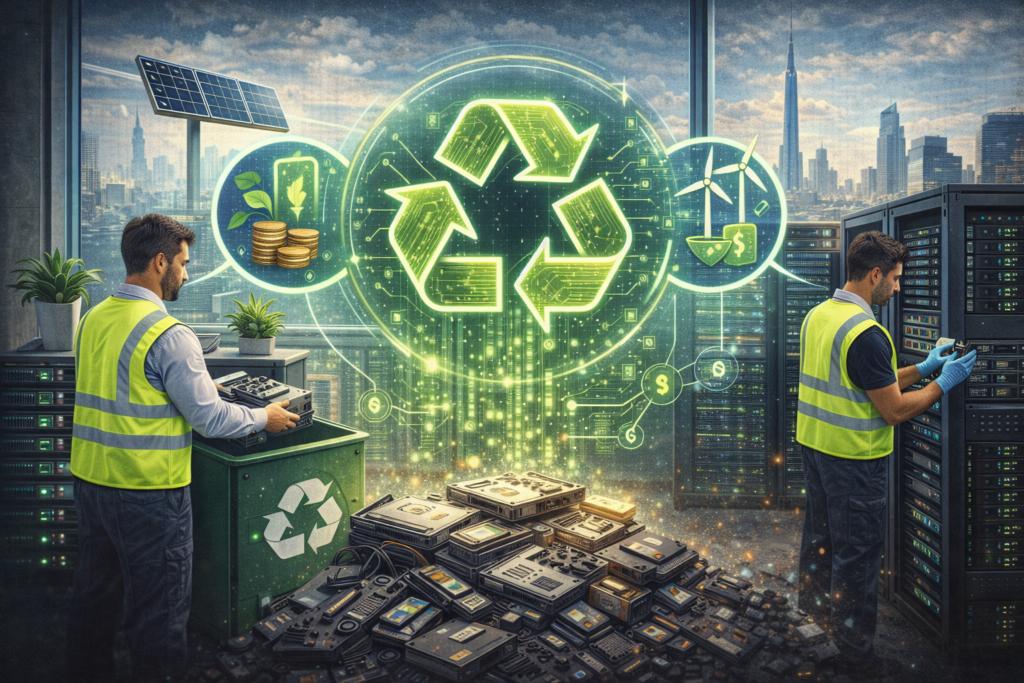
In an age where data is more valuable than gold, how businesses handle old computers, servers, hard drives, and other devices has never been more important. The secure disposal of IT equipment Dubai has become a business imperative, not only to protect confidential information but also to meet legal, ethical, and environmental responsibilities. From personal details to financial records, the data stored on outdated IT equipment can easily fall into the wrong hands if disposal is not handled properly.
In this guide, we explore why the secure disposal of IT equipment matters, the risks of improper handling, the best practices for data protection, and how organisations can set up secure disposal processes that safeguard their business and their customers.
Why Secure IT Disposal Matters
Every day, organisations replace or upgrade computers, laptops, and storage devices. Behind the screens and circuits of these machines lies a wealth of information: email logs, customer databases, payroll information, strategic plans, passwords, and more. Without proper care, this information can become exposed during disposal.
The phrase secure disposal of IT equipment refers to an organised, standards‑based process of deactivating, wiping, or destroying data so that it cannot be accessed again. In Dubai’s business environment, where digital transformation is strong and data privacy laws are evolving, secure disposal isn’t just good practice; it’s a vital part of responsible operations.
The Risks of Improper IT Disposal
Improper disposal of IT equipment exposes organisations to multiple risks:
1. Data Breaches
When old devices are thrown into general waste or sold without data erasure, sensitive information can be retrieved by unauthorised individuals. This can lead to identity theft, financial fraud, and competitive disadvantage.
2. Regulatory Penalties
Many industries in Dubai and across the region are governed by data protection regulations. Failing to securely dispose of data‑bearing equipment can lead to fines, legal action, and reputational damage.
3. Environmental Harm
IT equipment contains hazardous materials such as lead, mercury, and cadmium. Without proper treatment, these substances can contaminate landfills and harm ecosystems. Secure disposal also ensures environmental responsibility.
4. Loss of Trust
Clients and partners expect organisations to protect their information. A data leak tied to poor IT disposal practices undermines trust and can erode long‑term business relationships.
Core Principles of Secure Disposal
To mitigate these risks, organisations should follow key principles that define a strong, secure disposal of IT equipment Dubai strategy:
Standardised Data Destruction
Devices containing data need to be wiped, degaussed, or physically destroyed using certified techniques. Simple formatting is not enough because deleted data can often be recovered. Certified destruction ensures the data is irretrievable.
Chain of Custody and Documentation
Secure disposal isn’t just about destroying data; it is about proving that the process was carried out properly. Detailed records and certificates of destruction provide legal protection and audit evidence.
Environmentally Sound Recycling
Secure disposal should pair data protection with sustainability. Once data is removed, equipment should be recycled or refurbished responsibly, ensuring that materials are reclaimed and hazardous waste is treated correctly.
Compliance with Local Standards
In a city like Dubai, where business compliance is taken seriously, secure disposal practices must align with local and international standards. This includes data protection laws, environmental regulations, and industry best practices.
Best Practices for Secure IT Equipment Disposal
If your business is planning IT upgrades or clearing old stock, adopting these best practices ensures you handle disposal responsibly:
Conduct a Data Inventory
Start by identifying all devices that store data. This includes desktops, laptops, servers, mobile devices, USB drives, external hard drives, CDs, and magnetic tapes. Knowing what you have helps you determine the appropriate disposal method.
Implement a Data Wiping Protocol
Before decommissioning any equipment, use specialised software tools that completely erase data according to recognised standards. This type of erasure makes data recovery impossible.
Use Physical Destruction When Necessary
For equipment that cannot be wiped effectively, for example, damaged drives, physical destruction (such as shredding or crushing) is the best option. This is especially important when highly sensitive information is stored on the device.
Work with Certified Disposal Partners
Effective secure disposal of IT equipment generally requires expertise and specialised tools. Partnering with trained service providers ensures that data destruction and recycling are done correctly, legally, and with proper documentation.
Maintain Detailed Records
Keep detailed logs of disposed equipment, data destruction reports, and certificates. These records can protect your business during audits and demonstrate compliance with standards and laws.
How Organisations Can Build a Secure Disposal Strategy
Creating a strategy around the secure disposal of IT equipment should be part of any organisation’s overall information security policy. Here’s a step‑by‑step guide:
Step 1: Develop a Disposal Policy
Establish formal rules that define what needs to be disposed of, when, and how. Define roles and responsibilities within your organisation.
Step 2: Train Staff
Educate employees about the importance of secure disposal and how to follow internal procedures. This ensures that no device slips through the cracks.
Step 3: Audit and Review
Regularly assess your disposal process. Audits help you identify gaps and improve security over time.
Step 4: Partner with Experts
Engage professionals who specialise in secure IT disposal, data destruction, and recycling. Expertise ensures compliance and best results.
Real‑World Impact of Secure IT Disposal
Secure disposal is not just a technical requirement — it has real impacts on organisations:
- Reduced Risk of Data Leaks: Data destroyed properly cannot be misused.
- Compliance with Regulations: You meet obligations under data protection and environmental laws.
- Improved Corporate Reputation: Clients and partners trust organisations that demonstrate responsible data practices.
- Environmental Benefits: Responsible recycling diverts toxic waste from landfills and recovers valuable materials.
Secure disposal is, therefore, both a risk‑management tool and a value‑creation strategy.
Final Thoughts
In a world increasingly dependent on digital infrastructure, how you handle old IT equipment reflects your commitment to security and sustainability. The secure disposal of IT equipment Dubai is more than a procedural step; it is a competitive advantage that protects information, upholds legal compliance, and demonstrates responsible business leadership.
When it comes to responsible IT management, Planet Green Recycling provides expert solutions for the secure disposal of IT equipment, ensuring all sensitive data is permanently destroyed. Their certified services include data wiping, physical destruction, and environmentally responsible recycling of electronics, hard drives, and storage media.
With full documentation and certificates of destruction, they ensure regulatory compliance while promoting sustainability. Trust Planet Green Recycling for safe, reliable, and eco-friendly IT disposal.