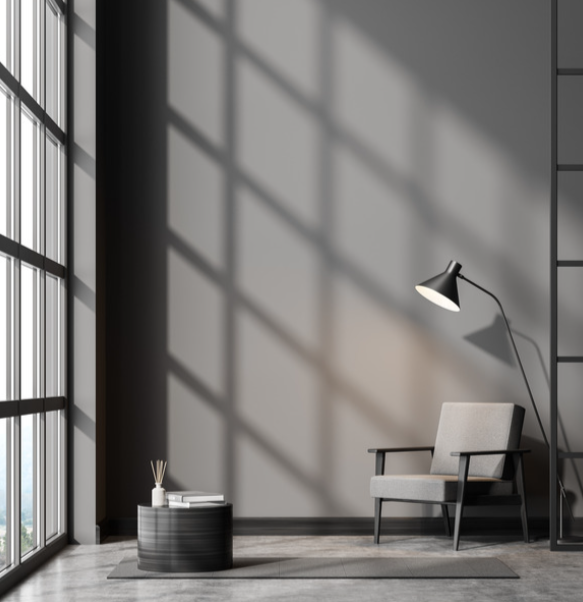

Gypsum-based plaster is widely preferred in modern construction for its smooth finish, fast application, and long-lasting durability. Primarily used on interior walls and ceilings, it provides an excellent base for painting, wallpaper, or decorative finishes. Compared to traditional cement plaster, gypsum plaster offers several advantages, including quicker drying, reduced labor requirements, minimal cracking, and a consistently even surface. Its lightweight nature and fire-resistant properties make it suitable for residential and commercial projects alike.
Builders, contractors, and homeowners increasingly rely on POP for efficient wall preparation, professional-quality finishes, and aesthetically appealing interiors that combine functionality with a polished, modern look.
What is Gypsum-Based Plaster?
Gypsum-based plaster, often referred to as plaster of Paris (POP), is a fine powder made by heating gypsum to a temperature of around 150°C. When mixed with water, it forms a paste that can be applied to walls and ceilings. This paste quickly sets into a smooth, durable surface, ideal for interior finishes. The chemical composition ensures minimal shrinkage and cracking, making gypsum-based plaster superior to conventional cement plaster in certain applications.
Key Benefits of Gypsum-Based Plaster
1. Smooth Finish
One of the primary reasons builders prefer gypsum-based plaster is its ability to create a perfectly smooth surface. This eliminates the need for extensive sanding and reduces paint consumption, making it cost-effective. A smooth wall enhances the aesthetic appeal of interiors and provides a professional look.
2. Lightweight
Gypsum-based plaster is lighter than traditional cement-based plaster, which reduces the overall load on walls and structures. This makes it especially suitable for high-rise buildings and modern construction, where weight reduction is crucial.
3. Quick Setting
Gypsum-based plaster sets much faster than cement plaster, allowing construction work to progress more efficiently. This quick setting time also means that interiors can be painted or decorated sooner, speeding up project timelines.
4. Fire Resistance
Being a naturally fire-resistant material, gypsum-based plaster adds an extra layer of safety to buildings. It does not support combustion and helps in maintaining the structural integrity of walls during fire incidents.
5. Sound Insulation
Gypsum-based plaster provides good sound insulation, making it ideal for residential and commercial spaces that require quieter environments. Its density helps in reducing sound transmission through walls and ceilings.
6. Crack Resistance
Properly applied gypsum-based plaster is highly resistant to cracks. Unlike cement plaster, it maintains its integrity over time, reducing maintenance costs and prolonging the life of wall finishes.
Uses of Gypsum Plaster
1. Interior Walls
Gypsum plaster is widely used for internal walls to provide a smooth, flawless surface. Its fine texture ensures that paint or wallpaper adheres better, resulting in an even and long-lasting finish.
2. Ceilings
Ceiling applications benefit from gypsum-based plaster due to its lightweight nature and easy moldability. Decorative patterns and false ceilings can be created without adding excessive weight to the structure.
3. Decorative Work
POP is commonly used for ornamental designs, cornices, and wall panels. Its ability to be molded and shaped easily makes it ideal for creative interior designs.
4. Fast Repairs
Gypsum-based plaster is effective for patching cracks, holes, and uneven surfaces. It adheres well to existing walls, providing a smooth finish in a short time, unlike traditional methods which require longer drying periods.
Difference Between Gypsum-Based Plaster and Traditional Cement Plaster
- Setting Time: Gypsum-based plaster sets faster than cement plaster.
- Surface Finish: Gypsum provides a smoother finish without extensive sanding.
- Weight: Gypsum is lighter, reducing structural load.
- Crack Resistance: Less prone to cracking compared to cement plaster.
- Environmental Impact: Gypsum-based plaster generates less dust and energy during production.
These advantages make gypsum-based plaster a preferred choice for modern construction projects.
Application Tips for Gypsum-Based Plaster
Applying gypsum-based plaster correctly ensures durability and a high-quality finish. Here are some best practices:
- Surface Preparation: Clean walls and remove dust or loose particles for better adhesion.
- Mixing: Mix the powder with water in correct proportions to form a smooth paste. Avoid lumps.
- Layering: Apply a base coat first, followed by a finishing coat for uniformity.
- Setting Time: Allow adequate time for the plaster to set before painting or decoration.
- Finishing: Use trowels or smoothing tools to achieve the desired texture.
Proper application ensures the POP adheres well and lasts longer without cracks.
Common Mistakes to Avoid
Even with high-quality gypsum-based plaster, mistakes can affect results. Avoid these:
- Applying over wet or dusty walls
- Incorrect water-to-powder ratio during mixing
- Over-thick layers that may cause uneven setting
- Rushing the setting process
- Skipping surface preparation
Following guidelines ensures a smooth, durable finish that maximizes the benefits of gypsum-based plaster.
Benefits of Using Plaster of Paris
- Creates smooth and aesthetically pleasing surfaces
- Reduces labor time due to quick setting
- Lightweight and easy to handle
- Provides fire resistance and sound insulation
- Resistant to cracks and structural stress
Using high-quality plaster of Paris enhances both the functionality and appearance of walls while reducing long-term maintenance costs.
Environmental Advantages
Gypsum-based plaster is eco-friendly because it requires less energy to produce compared to cement. It produces minimal dust and waste, making it suitable for sustainable construction practices. Additionally, it is non-toxic, safe for indoor environments, and compatible with most interior paints and finishes.
Conclusion
Understanding gypsum plaster and its benefits is essential for modern construction and interior design. Its smooth finish, lightweight properties, quick setting, fire resistance, and crack prevention make it a superior choice over traditional plastering methods. Proper application of POP ensures walls and ceilings are durable, aesthetically pleasing, and low-maintenance. Incorporating gypsum-based plaster into projects enhances efficiency and delivers professional results with long-lasting benefits.
For superior wall finishing and reliable construction results, Trimurti provides a complete range of wall and ceiling solutions, including premium gypsum-based plaster, decorative POP finishes, specialized variants for interiors, and Trimurti Tile Chemical for durable flooring and wall applications. Their expertise ensures smooth, long-lasting surfaces, helping contractors, builders, and homeowners achieve professional results. With high-quality products and guidance, Trimurti supports projects of all sizes with flawless finishes every time.