
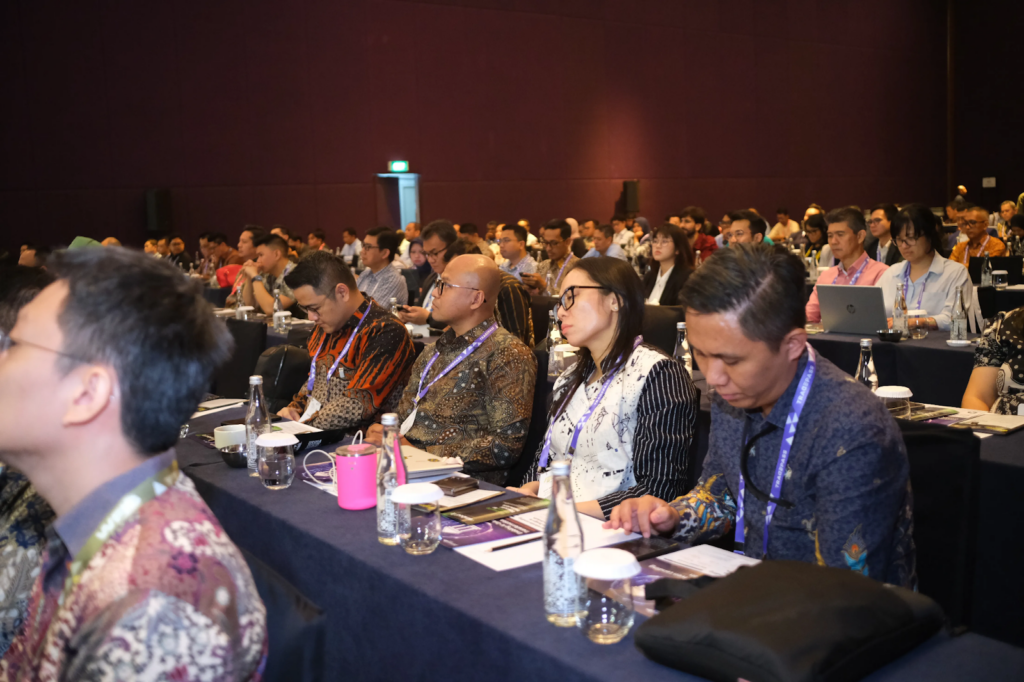
The financial services industry in Indonesia is undergoing a period of rapid transformation. With the rise of digital banking, fintech solutions, and advanced technology platforms, banks and insurance companies are rethinking the way they operate, engage with customers, and manage risk. Central to this evolution are major industry gatherings that bring together thought leaders, innovators, and policymakers. One of the most important among them is Indonesia biggest FSI event, which has become a hub for learning, collaboration, and innovation.
Embracing Digital Transformation in Banking
The enablement of digital transformation is no longer an option for banks but a necessity for staying competitive. The old school of banking is being replaced by digital-first banking approaches that are more focused on speed, convenience, and personalization. In major finance forums in Indonesia, the senior professionals in the industry talk about the implementation of technologies like artificial intelligence (AI), machine learning (ML), and advanced data analytics to improve the process of decision-making and customer experiences.
To streamline customer onboarding, detect fraud, and offer personal financial advice, AI and ML are in use. As an example, AI-driven chatbots enable banks to offer 24/7 services, eliminating the use of call centres and enhancing customer satisfaction. Likewise, predictive analytics can help banks to understand their customers and know what they need the most, whether it is a tailored investment or assessing credit risk.
The Rise of Fintech and Embedded Finance
Fintech is turning out to be a very disruptive element in the financial services industry. Fintech innovators present solutions that help to make payments quicker, micro-lend, and use digital wallets, in addition to peer-to-peer financing, at Indonesia biggest FSI event. Such technologies not only increase access to financial services by a wider range of people, but also assist traditional banks in reconsidering their patterns of services.
There is also a growing trend in embedded finance, in which financial services are offered as a direct part of non-financial services. Including banking, insurance, or lending services in the daily apps, the institutions are able to offer smooth experiences to the customers, so the process of transaction becomes faster and more convenient.
Modernizing Insurance Through Technology
The same technological upheavals are being witnessed in insurance. The use of insurtech solutions, a combination of data analytics, AI, and digital platforms, is redefining customer engagement, claims processing, and underwriting. Participants of leading finance-related events in Indonesia frequently emphasize the way insurance companies are applying their big data to make more precise risk predictions, customize premiums, and resolve claims at the same time.
Telematics, wearable analysis, and IoT sensors are being used to collect real-time information about policyholders to enable them to offer dynamic pricing and anticipate risk. As an illustration, health insurance providers can provide customized wellness programs according to the data received by wearables, and auto insurance companies will give reduced premiums according to the driving habits displayed by connected devices.
Enhancing Cybersecurity and Risk Management
With the continued implementation of digital technologies by financial institutions, cybersecurity is now a priority. Attendees of these conferences emphasise the need to have effective security systems and risk management plans. Cyber threats keep changing significantly, and the range of threats includes ransomware attacks, advanced phishing attacks, and advanced security solutions such as encryption, multi-factor authentication, and AI-powered threat detection systems, which demand an investment in advanced security solutions by banks and insurers.
Cybersecurity is not the only area of risk management: operational risks and regulatory risks should also be covered. Through technology, financial institutions are able to track compliance in real-time, automate reporting mechanisms, and ensure that they meet the changing regulatory requirements without affecting efficiency.
The Role of Data and Analytics
Information has become a competitive asset of the financial industry. Banks and insurance companies are also putting money into analytics platforms that empower them to gain actionable insights based on a huge amount of structured and unstructured data. During FSI’s biggest event in Indonesia, speakers noted the practical use, such as fraud detection, customer behavioral analysis, and predictive modeling of financial products.
Advanced analytics assist the institutions to optimizing the management of their portfolio, customer segmentation, and decision-making. Knowledge of customer behavior, preferences, and risk profiles enables banks and insurers to create products and services that are more effective, which will ultimately achieve growth and customer loyalty.
Driving Innovation Through Collaboration
The theme of the collaboration between banks, fintech companies, insurtech startups, and technology providers is common at such conferences. The partnerships enable the organizations to pool their strengths, use new technologies, and provide enhanced services to the end users. As an example, a bank can partner with a fintech firm to introduce a digital lending platform, and insurers can cooperate with IoT partners to improve the risk assessment model.
Industry fairs allow networking and knowledge sharing, and can keep leaders informed of the trends and find possible partners. Financial institutions are able to speed up the process of digital transformation and develop more solutions that are customer-centric by establishing an innovation-driven culture and a spirit of collaboration.
Sustainable Banking and ESG Initiatives
Sustainability is another major area of concern discussed in the top finance conferences in Indonesia. Banks and insurers are also incorporating the issue of environmental, social, and governance (ESG) when performing their activities. Technology gives organizations the ability to monitor ESG performance, determine the risks, and provide transparent reports to stakeholders.
Green loans and sustainable investment products, which are part of sustainable banking practices, are gaining popularity. Likewise, insurers are developing policies that will encourage sustainable actions and promote the further aims of society without losing their profit.
Conclusion
The banking and insurance sectors are being changed by technology, providing new opportunities, increasing efficiency, and improving customer experiences. Indonesia is one of the markets where data analytics, AI, and collaborative networks can meet the needs of an ever-connected and competitive market by utilizing digital tools to help financial institutions. Indonesia biggest FSI event offers a necessary platform for learning, interacting, and leading to significant changes in the industry.
To gain knowledge and develop professionally, World Financial Innovation Series (WFIS)-Indonesia hosts the largest FSI event in Indonesia, bringing together banks, insurers, technology innovators, regulators, and technology suppliers. They offer expert-led conferences and workshops, networking, and exhibitions of the latest financial technologies. WFIS helps in enhancing innovation, experience, and collaboration, which turns the financial services ecosystem.

