Public service delivery is slowly moving away from paper-based processes towards digitally enabled processes that facilitate a seamless experience for citizens as well as government agencies. Government agencies are slowly recognizing digital infrastructure not only as an enabling tool but as a structural imperative in governance.
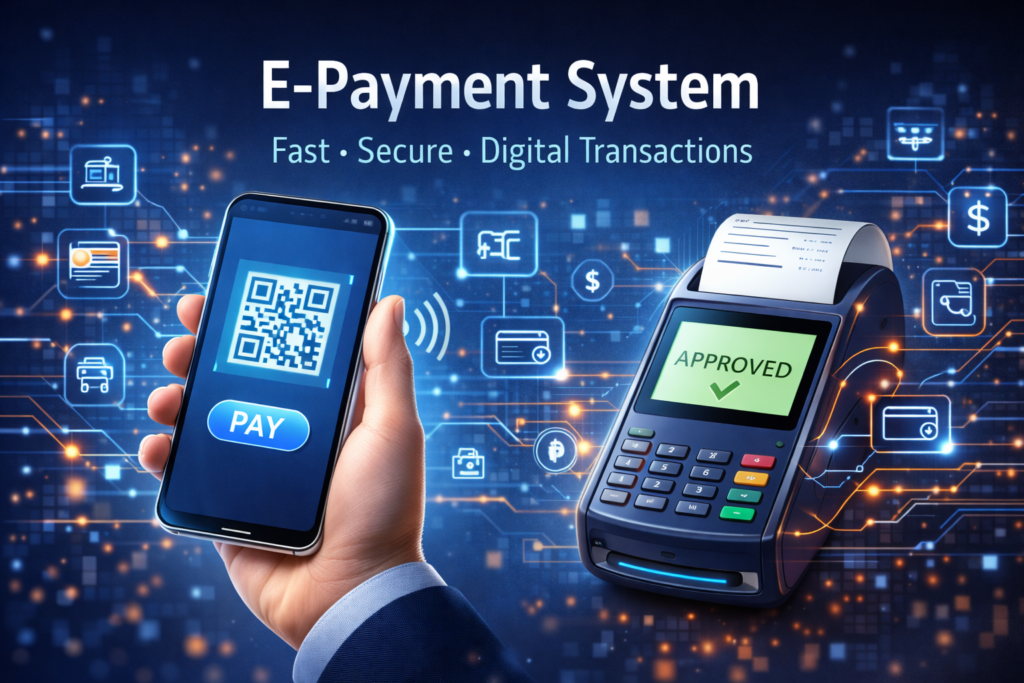
Digital transformation in the Philippines is being influenced by policy interventions, connectivity initiatives, as well as integrated service platforms that seek to simplify interactions between citizens and government agencies. In this context of digital transformation in government agencies, the strategic use of e-payment systems is being recognized as a key tool in facilitating transparent, traceable, and seamless financial interactions.
The Financial Layer Behind Digital Public Services
However, government digitization cannot be fully effective without a dependable financial transaction layer being embedded in its services. For instance, service portals might be designed to allow for documentation, identification, as well as administrative approval, but as soon as payment is involved, the effectiveness of the entire digitized system is dependent on how seamlessly it is possible to transfer funds.
Various government agencies in the Philippines need to be integrated with digital payment services to allow for licensing fees, taxation, permit fees, as well as other public service fees. Without a dependable way of collecting or processing payments, digitized portals might be considered incomplete.
Transaction transparency
In the framework of digital governance systems, the traceability of financial exchange is a critical factor that influences the development of trust within the framework of institutions. Electronic payment systems facilitate the generation of audit trails for transactions.
Such transparency is especially relevant in environments where multiple departments interact with citizen payments. By embedding transaction records directly into digital service systems, administrative oversight becomes far more systematic.
Faster revenue collection
Government agencies heavily depend on service charges, licensing fees, and administrative charges for funding their operational expenses. The existing payment processes may experience certain time lags due to manual interventions or separate payment mechanisms.
Electronic payment platforms significantly shorten these timelines. Fees are processed immediately, settlements are recorded digitally, and reconciliation becomes far less complex for financial administrators.
Policy Reforms Driving Payment Digitization
The Philippines has implemented several regulatory measures that are focused on the modernization of the governance infrastructure and the creation of a national digital platform for public services. These are focused on interoperability and standardized technology adoption.
The legislative efforts of the Philippines, such as the E-Governance Act, are focused on the implementation of the E-Governance framework in the country. The E-Governance framework requires all the government agencies in the Philippines to digitize their services and ensure interoperability in the country.
Building Integrated Platforms for Public Transactions
The Philippines has already started to implement various platforms that allow for the consolidation of multiple government services to a centralized digital space. The purpose of these initiatives is to reduce administrative fragmentation by allowing citizens to use various government services under a single interface.
Integrated service platforms have also been shown to enhance payment experiences. Citizens can now transact multiple government payments through a single digital space instead of going through multiple payment gateways for various government departments.
Interoperable infrastructure
It is important for government platforms to communicate effectively with each other for digital payments to flow smoothly. This can be achieved through interoperability, where data can flow well among service portals, financial systems, and identity verification platforms.
Through this integration, it will be possible for government agencies to communicate well in payment confirmation, service authorizations, and recording of transactions.
Secure authentication layers
Digital payment ecosystems within government platforms require strong identity verification protocols to ensure that transactions are both legitimate and properly attributed to citizens or organizations.
Authentication layers, often linked with national identity programs or secure login environments, help prevent fraud while maintaining confidence in digital public services.
Strengthening Financial Inclusion Through Digital Channels
Beyond administrative efficiency, electronic government payments contribute to broader financial inclusion objectives. Large segments of the population may not regularly interact with formal banking institutions, yet mobile connectivity has expanded rapidly across the country.
By integrating digital payment channels into government service platforms, public institutions can encourage broader participation in formal financial ecosystems. Citizens who initially engage with digital payments for government transactions may gradually adopt other electronic financial services.
Infrastructure Investments Supporting the Transition
Large-scale digital transformation initiatives require strong supporting infrastructure. Connectivity expansion, cloud adoption, and data management systems are all essential components of modern governance platforms.
Government programs in the Philippines have prioritized broadband expansion, secure cloud adoption, and integrated digital infrastructure as part of the broader transformation agenda. These initiatives create the technical environment necessary for reliable electronic service delivery.
Data governance frameworks
Financial transactions conducted via government platforms produce a considerable amount of sensitive data. Proper management of this data is achieved by implementing effective data governance policies, as well as effective cybersecurity measures.
Regulatory bodies usually focus on implementing effective encryption techniques, access protocols, as well as compliance with data protection regulations in different countries.
Cyber resilience
Public sector platforms represent attractive targets for cyber threats. Payment systems are particularly sensitive components within digital governance ecosystems.
Government cybersecurity initiatives therefore focus on strengthening defensive architecture across networks, monitoring transaction activity, alongside implementing risk mitigation protocols that preserve platform integrity.
Final Thoughts
The modernization of public service infrastructure in the Philippines is now largely dependent on the successful incorporation of financial transaction capabilities in digital government platforms. Payment systems, which were initially considered a supportive feature of digital government, have now become a core operational feature of efficient digital governance.
For organizations that wish to engage more intimately in the public sector transformation space, public forums that bring together policymakers, government agencies, and technology innovators have become essential in defining the future of public service transformation in the Philippines. GOVX.0 Philippines 2026 is a high-level public forum that seeks to bring together senior government officials, technology leaders, and solution providers in exploring the future of digital government Philippines.